Taking Slices from LiDAR data: Part IX

I finally got PDAL properly compiled with Point Cloud Library (PCL) baked in. Word to the wise — CLANG is what the makers are using to compile. The PDAL crew were kind enough to revert the commit which broke GCC support, but why swim upstream? If you are compiling PDAL yourself, use CLANG. (Side note, […]

Continue reading Taking Slices from LiDAR data: Part IX

Taking Slices from LiDAR data: Part VIII

I finally got PDAL properly compiled with Point Cloud Library (PCL) baked in. Word to the wise — CLANG is what the makers are using to compile. The PDAL crew were kind enough to revert the commit which broke GCC support, but why swim upstream? If you are compiling PDAL yourself, use CLANG. (Side note, […]

Continue reading Taking Slices from LiDAR data: Part VIII

Taking Slices from LiDAR data: Part VII

I finally got PDAL properly compiled with Point Cloud Library (PCL) baked in. Word to the wise — CLANG is what the makers are using to compile. The PDAL crew were kind enough to revert the commit which broke GCC support, but why swim upstream? If you are compiling PDAL yourself, use CLANG. (Side note, […]

Continue reading Taking Slices from LiDAR data: Part VII

On Generalization Blending for Shaded Relief

Originally posted on somethingaboutmaps:
I have nearly recovered sufficiently from an amazing NACIS conference, and I think I’m ready to get back to a little blogging. This time around, I’d like to present you all with an unfinished concept, and to ask you for your help in carrying it to completion. Specifically, I’d like to show you some attempts I’ve made at improving digital hillshades… Continue reading On Generalization Blending for Shaded Relief

Finding peace, finding ground: Drone flights for hydrologic modeling

Another problem is the difficulty of turning photogrammetrically derived point clouds into Digital Terrain Models. There is proprietary software that does this well (e.g. LasTools and others), but we sought a free and open source alternative and approach. Let’s visualize the problem. Continue reading Finding peace, finding ground: Drone flights for hydrologic modeling

UAS Mapping: Positional Accuracy Assessment via GeoKota

Introduction Recently we partnered up with folks from the University of Akron to help determine how accurate UAS are compared to traditional mapping methods. Given the current difficulty to fly commercially in the National Airspace, this partnership gave us a unique opportunity to fly inside their Field House. This controlled space had a lot of […] via UAS Mapping: Positional Accuracy Assessment — GeoKota Continue reading UAS Mapping: Positional Accuracy Assessment via GeoKota

The Worlds of #Mapzen Sphere Maps

Guest blog post today from Brandon Garman (@brandon_garman): After seeing Mapzen’s blog post on Sphere Maps, I wanted to try my hand at it. I downloaded the Github repository, set up a python simple server and ‘BOOM’ had my own instance running (Mapzen makes this process very easy). So next I pulled out my Wacom tablet, opened up Photoshop and began painting in circles with … Continue reading The Worlds of #Mapzen Sphere Maps

Viewing Sparse Point Clouds from OpenDroneMap — GeoKota

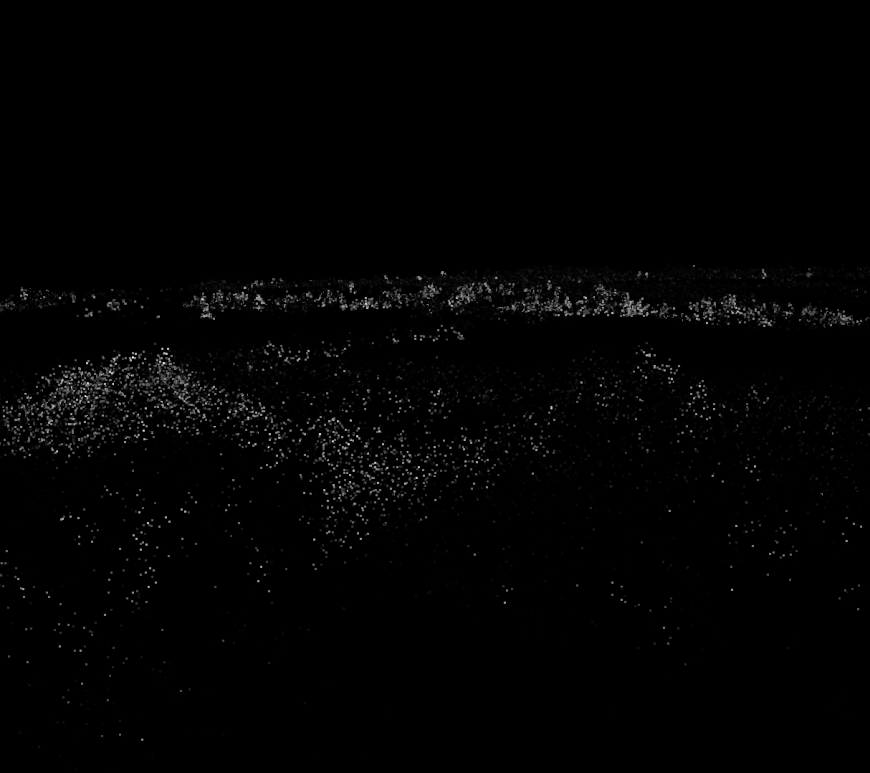
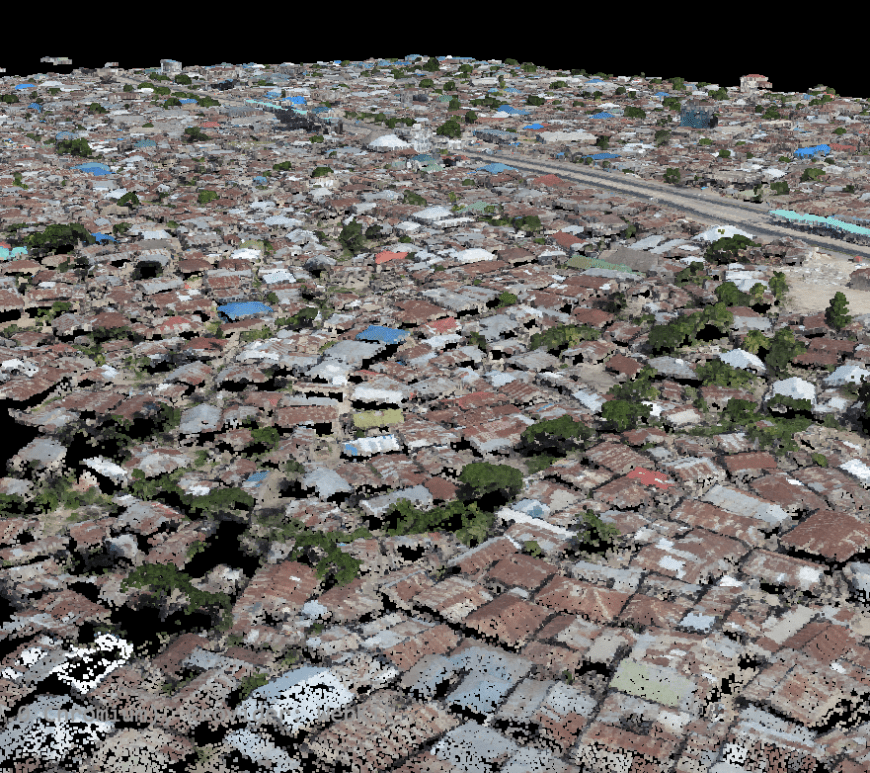
This is a post about OpenDroneMap, an opensource project I am a maintainer for. ODM is a toolchain for post-processing drone imagery to create 3D and mapping products. It’s currently in beta and under pretty heavy development. If you’re interested in contributing to the project head over here. The Problem So for most of the […] via Viewing Sparse Point Clouds from OpenDroneMap — GeoKota Continue reading Viewing Sparse Point Clouds from OpenDroneMap — GeoKota